

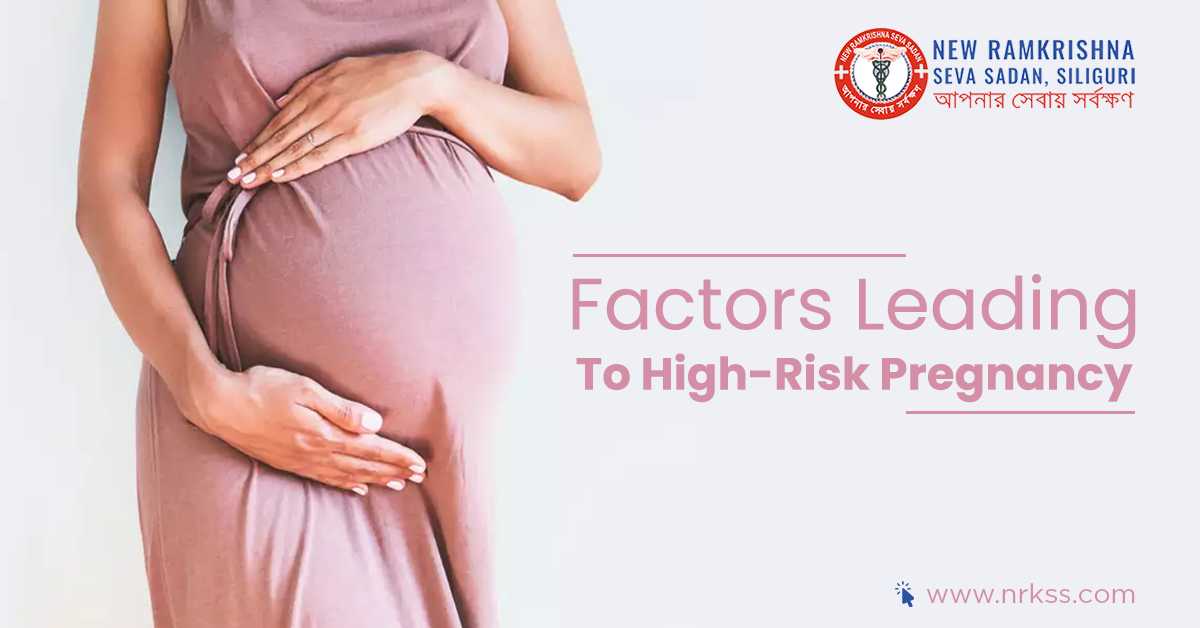
Pregnancy is a beautiful journey, but every pregnancy is unique. While many women experience healthy pregnancies, some may face medical conditions or complications that require closer monitoring and specialized care. These are known as high-risk pregnancies.
A high-risk pregnancy does not always mean that something will go wrong. It simply means that the mother, the baby, or both have a greater chance of developing health complications during pregnancy, labour, or delivery. With early diagnosis, regular prenatal check-ups, and expert medical care, many women with high-risk pregnancies go on to deliver healthy babies.
If you have certain medical conditions or pregnancy-related complications, consulting a High-Risk Pregnancy Expert in Siliguri can help ensure that you and your baby receive the specialized care needed throughout your pregnancy.
What Is a High-Risk Pregnancy?
A pregnancy is considered high-risk when there is an increased chance of complications affecting the mother, the baby, or both. These risks may exist before pregnancy or develop during pregnancy.
A high-risk pregnancy requires more frequent prenatal visits, additional tests, and close monitoring to identify and manage complications as early as possible.
Fortunately, advances in maternal healthcare have made it possible to successfully manage many high-risk pregnancies with timely medical intervention.
Common Factors Leading to High-Risk Pregnancy
Several factors can increase the likelihood of pregnancy complications. Understanding these risk factors allows expectant mothers to seek appropriate medical care early.
1. Maternal Age
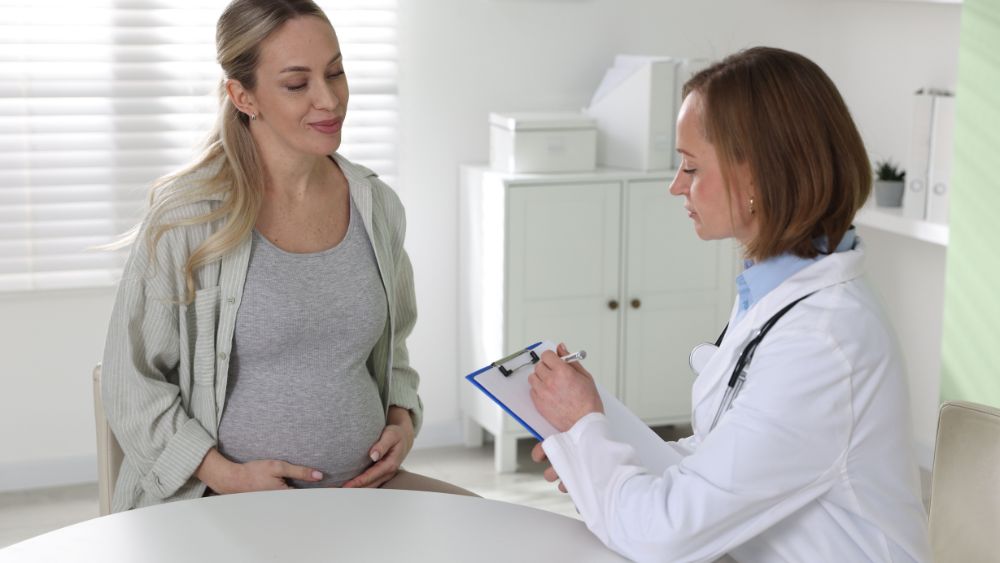
A woman's age plays an important role in pregnancy health.
Women who become pregnant before the age of 20 or after the age of 35 may have a higher risk of certain pregnancy complications.
Women above 35 may be more likely to experience:
- High blood pressure during pregnancy
- Gestational diabetes
- Chromosomal abnormalities
- Miscarriage
- Premature birth
- Caesarean delivery
However, many women over 35 have healthy pregnancies with proper prenatal care and regular monitoring.
2. Pre-Existing Medical Conditions
Certain health conditions present before pregnancy can increase the risk of complications for both the mother and baby.
These include:
- High blood pressure
- Diabetes
- Kidney disease
- Heart disease
- Thyroid disorders
- Autoimmune diseases
- Asthma or chronic lung disease
- Obesity
- Depression or other mental health conditions
- Sexually transmitted infections (STIs)
Women with these conditions should ideally consult a doctor before conception so that their health can be optimized before pregnancy begins.
3. Reproductive Abnormalities
Structural abnormalities of the uterus or cervix may also contribute to a high-risk pregnancy.
Examples include:
- Uterine abnormalities
- Cervical insufficiency
- Uterine fibroids affecting pregnancy
- Congenital abnormalities of the reproductive organs
These conditions may increase the risk of:
- Recurrent miscarriage
- Preterm labour
- Abnormal fetal position
- Difficult labour
- Caesarean delivery
Early diagnosis helps doctors plan the safest pregnancy and delivery approach.
4. Pregnancy-Related Medical Conditions
Sometimes women who are otherwise healthy develop complications during pregnancy.
Some common pregnancy-related conditions include:
Gestational Diabetes
Gestational diabetes develops during pregnancy and can increase the baby's birth weight while raising the mother's risk of pregnancy complications. Blood sugar monitoring, dietary changes, exercise, and medication may be required.
Pregnancy-Induced Hypertension
High blood pressure that develops during pregnancy can affect blood flow to the placenta and increase the risk of preeclampsia, premature birth, and growth problems in the baby.
Preeclampsia
Preeclampsia is a serious pregnancy complication characterized by high blood pressure and signs of organ damage, usually after 20 weeks of pregnancy. Early diagnosis and medical management are essential to protect both mother and baby.
5. Multiple Pregnancy
Women carrying twins, triplets, or higher-order multiples naturally have a higher-risk pregnancy.
Multiple pregnancies increase the likelihood of:
- Premature labour
- Low birth weight
- High blood pressure
- Gestational diabetes
- Caesarean section
Regular ultrasound examinations and close monitoring help improve pregnancy outcomes.
6. Placental Problems
The placenta supplies oxygen and nutrients to the growing baby.
Certain placental conditions may increase pregnancy risks, including:
Placenta Previa
In this condition, the placenta partially or completely covers the cervix, increasing the risk of bleeding during pregnancy and delivery.
Placental Abruption
This occurs when the placenta separates from the uterus before delivery, reducing oxygen supply to the baby and requiring immediate medical attention.
7. Fetal Health Concerns
Sometimes ultrasound examinations or prenatal screening tests identify concerns affecting the baby's development.
These may include:
- Congenital abnormalities
- Restricted fetal growth
- Genetic disorders
- Low amniotic fluid
- Excess amniotic fluid
Early diagnosis allows doctors to monitor fetal health closely and plan appropriate treatment or delivery.
Also Read:-
Signs Of High-Risk Pregnancy That Shouldn’t Be Ignored
Early Signs of Pregnancy Every Woman Should Know
Warning Signs That Need Immediate Medical Attention
During pregnancy, seek medical care immediately if you experience:
- Heavy vaginal bleeding
- Severe abdominal pain
- Persistent severe headache
- Blurred vision
- Sudden swelling of the face or hands
- Decreased fetal movements
- High fever
- Leaking fluid from the vagina
- Regular contractions before 37 weeks
- Difficulty breathing
Prompt medical evaluation can help prevent serious complications.
Can High-Risk Pregnancy Be Prevented?

Not every high-risk pregnancy can be prevented. However, many complications can be reduced through healthy lifestyle choices and early prenatal care.
Doctors often recommend:
- Scheduling a pre-pregnancy health check-up
- Taking folic acid before conception and during early pregnancy
- Eating a balanced, nutritious diet
- Maintaining a healthy weight
- Staying physically active if approved by your doctor
- Avoiding smoking, alcohol, and recreational drugs
- Managing chronic medical conditions
- Taking medications only under medical supervision
- Attending all scheduled prenatal appointments
Early and regular prenatal care remains one of the most effective ways to improve pregnancy outcomes.
Conclusion
A high-risk pregnancy requires additional care, but it does not mean that you cannot have a healthy pregnancy or delivery. With early diagnosis, regular prenatal check-ups, and expert medical guidance, many pregnancy complications can be successfully managed.
Understanding the factors that contribute to a high-risk pregnancy allows expectant mothers to seek timely medical attention and make informed decisions about their health. If you have any risk factors or concerns during pregnancy, do not delay consulting a qualified specialist. Book your consultation today and receive expert care for a safer, healthier pregnancy journey.
Updated: 7th August 2026

