
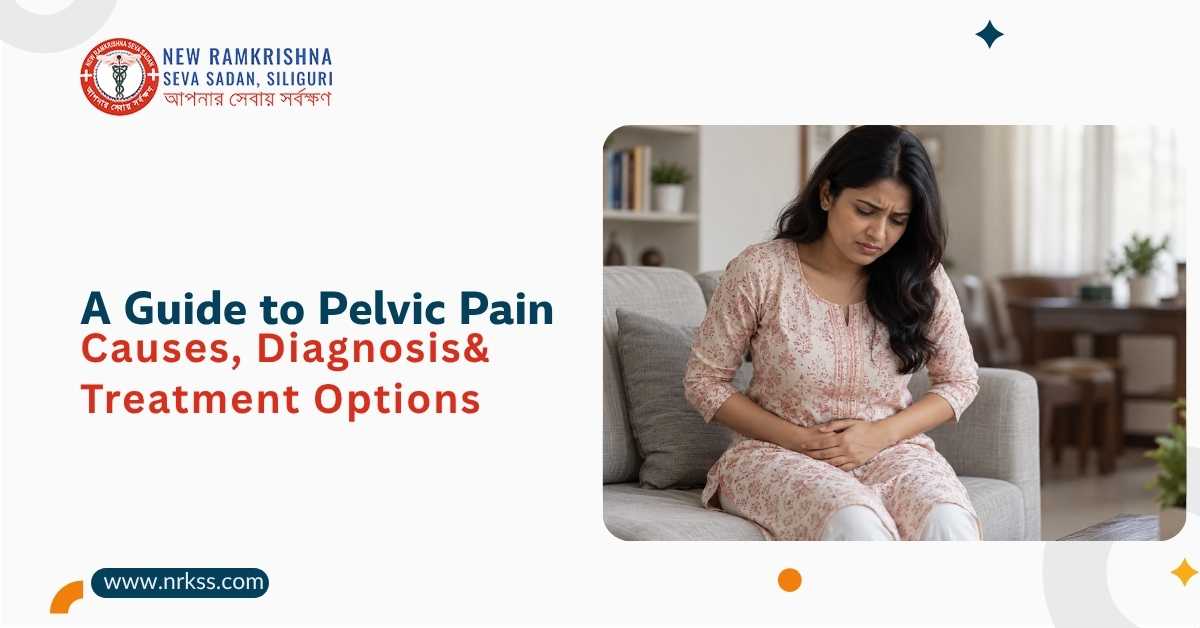
Lower abdominal or pelvic pain is common among women. It may feel like cramps, pressure, or a sharp ache and can happen during periods, ovulation, pregnancy, urination, bowel movements, or sex.
The pain may last for a short time or continue for longer. Its location and timing can give some clues, but they may not reveal the exact cause.
If pelvic pain keeps returning, consult the best gynecologist doctor in Siliguri. Sudden severe pain with bleeding, dizziness, fever, or possible pregnancy needs immediate medical care.
Understand Pelvic Pain
Pelvic pain means pain or discomfort in the lower abdomen, around the area between the hip bones. It can last for a short time or continue for weeks or longer.
Where Is Pelvic Pain Felt and What Does It Feel Like?
The pelvic area is below the belly button and between the hip bones. Pain may also spread to the lower back, hips, or genital area.
It may feel like:
● A dull ache
● Cramping
● Sharp or stabbing pain
● Burning
● Pressure or heaviness
● Pain that comes and goes
● Constant discomfort
Pelvic pain can come from the reproductive, urinary, digestive, or muscular systems.
Is Pelvic Pain Always Related to the Reproductive System?
No. Pelvic pain is not always caused by the uterus or ovaries. Urinary infections, constipation, bowel problems, and pelvic muscle issues can also cause pain in this area.
What Are the Common Causes of Pelvic Pain?
Menstrual Cramps
Period cramps happen when the uterus contracts during menstruation. The pain is usually felt in the lower abdomen and may spread to the lower back or thighs.
Ovulation
Some women feel mild pain around the middle of their menstrual cycle when an egg is released. It may occur on one side of the lower abdomen and usually settles on its own.
Endometriosis
Endometriosis occurs when tissue similar to the uterine lining grows outside the uterus. It can cause painful periods, pelvic pain, pain during sex, or pain while passing urine or stool.
Ovarian Cysts
Ovarian cysts are fluid-filled sacs that develop on the ovaries. Many cause no symptoms, but some can lead to pain, pressure, or heaviness. A ruptured or twisted cyst can cause sudden, severe pain.
Pelvic Infections
Pelvic infections can cause lower abdominal or pelvic pain. Pelvic inflammatory disease (PID) may also cause unusual discharge, bleeding between periods, fever, or pain during sex.
Urinary Problems
A urinary tract infection may cause lower abdominal pain, burning while urinating, frequent urination, or a strong urge to urinate. Urinary stones can also cause severe pain.
Digestive Problems
Constipation, gas, irritable bowel syndrome, and other bowel problems can cause pelvic discomfort. Bloating and changes in bowel movements may occur at the same time.
Pelvic Floor Muscle Problems
Tight, weak, or strained pelvic floor muscles can cause pelvic pain or pressure. Some women may also feel discomfort during sex, urination, or bowel movements.
Pregnancy-Related Causes
Mild pelvic discomfort can occur during pregnancy as the uterus grows. Severe or sudden pain, especially with bleeding, dizziness, or weakness, needs to be checked quickly.
When Should You See a Gynaecologist for Pelvic Pain?
Pelvic pain can sometimes settle on its own. But repeated or severe pain needs attention. See a top gynecologist in Siliguri if you have:
● Pain that keeps returning or lasts for a long time
● Severe or worsening pelvic pain
● Very painful or heavy periods
● Bleeding between periods or after sex
● Unusual vaginal discharge or odour
● Pain during sex
● Burning or pain while urinating
● Pain during bowel movements
● Fever, chills, nausea, or vomiting
● Pelvic pain during pregnancy or when pregnancy is possible
If these symptoms occur with sudden or severe pelvic pain, visit a gynecologist hospital in Siliguri without delay.
How Is Pelvic Pain Diagnosed?
.png)
Doctors look at your symptoms, medical history, examination, and test results. The tests needed can differ from one person to another.
Medical and Menstrual History
Your doctor may ask:
● When did the pain start?
● Where is it and how severe is it?
● Is it constant or does it come and go?
● Is it linked to your period or sex?
● Does urination or bowel movement affect it?
● Have you noticed unusual bleeding?
● Could you be pregnant?
● Have you had pelvic problems or surgery before?
Physical and Pelvic Examination
Your doctor may check your abdomen for tenderness and perform a pelvic examination if needed.
Pregnancy Test
If pregnancy is possible, a pregnancy test may be advised, especially when pelvic pain occurs with bleeding.
Urine and Blood Tests
A urine test can check for urinary infections. Blood tests may show signs of infection or other problems.
Vaginal or Cervical Swabs
If you have unusual discharge or signs of infection, your doctor may take a vaginal or cervical swab.
Ultrasound
A pelvic ultrasound can examine the uterus and ovaries. An abdominal or transvaginal ultrasound may be used to look for ovarian cysts, fibroids, or adenomyosis.
MRI and Other Imaging
MRI gives a more detailed view of the pelvic organs. It is used when an ultrasound or other tests do not provide enough information.
Laparoscopy
Laparoscopy uses a small camera to examine the pelvic organs. It may be used when the cause of ongoing pain is unclear or when endometriosis is suspected.
If you are looking for a Gynecologist in Siliguri, discuss your symptoms clearly so your doctor can decide which tests are useful.
What Are the Treatment Options for Pelvic Pain?
Treatment depends on the condition causing the pain. It may include medicines, physiotherapy, or surgery.
Pain-Relieving Medicines
Pain-relieving medicines can help with mild to moderate pain, including period cramps. The medicine used depends on your health and the type of pain.
Hormonal Treatment
Hormonal medicines can be used when pelvic pain is linked to periods, endometriosis, or certain hormonal conditions. They may reduce pain and other menstrual symptoms.
Antibiotics
When an infection is responsible for the pain, antibiotics may be prescribed. The medicine depends on the type of infection.
Treatment for Urinary or Digestive Problems
If the pain is caused by constipation, a urinary infection, kidney stones, or a bowel problem, treatment focuses on that condition.
Physiotherapy
Pelvic floor physiotherapy can help when tight or weak pelvic muscles are causing pain. Treatment may include exercises and techniques to improve muscle control.
Surgery
Surgery is needed only for some conditions. It may be considered for certain ovarian cysts, endometriosis, fibroids, or other problems that require a procedure.
How Can You Reduce the Risk of Recurrent Pelvic Pain?
Preventing pelvic pain often starts with managing the condition causing it. A few everyday habits can also help:
Track the pain: Note when it happens, how long it lasts, and whether it is linked to your period, sex, urination, or bowel movements.
Treat infections early:Complete any treatment prescribed for a urinary or reproductive infection.
Stay active: Gentle exercise and regular movement can help when muscle tension is linked to pelvic pain.
Do not hold urine or stool: Use the bathroom when you need to.
Keep up with treatment: If you have endometriosis, ovarian cysts, or another pelvic condition, follow your doctor's treatment and check-up plan.
Get repeated pain checked:Do not rely on painkillers every time the pain returns.
Does Pelvic Pain Affect Fertility?
Pelvic pain itself does not usually cause infertility. However, some conditions that cause pelvic pain can also affect fertility.
Endometriosis, pelvic inflammatory disease, and problems involving the fallopian tubes or ovaries can make it harder to become pregnant. If pelvic pain keeps returning while you are trying to conceive, discuss it with a doctor.
What Should You Avoid When You Have Pelvic Pain?
If pelvic pain keeps coming back, try to avoid:
Ignoring repeated pain:Do not keep delaying a check-up when the pain returns often.
Taking painkillers too often: Avoid using them repeatedly without knowing the cause of the pain.
Taking antibiotics without advice:Antibiotics should be used only when prescribed.
Heavy exercise or lifting: Avoid activities that make the pain worse.
Delaying medical care: Get medical help if the pain is severe or comes with bleeding, fever, vomiting, unusual discharge, or pain while urinating.
Ignoring pain during pregnancy: New or severe pelvic pain during pregnancy, or when pregnancy is possible, needs to be checked.
How Long Does It Take for Pelvic Pain to Get Better?
How long pelvic pain takes to get better depends on its cause. Mild pain related to periods or ovulation may settle within a few hours or days, while pain linked to infections, endometriosis, or ovarian cysts may take longer.
If pelvic pain lasts for several days, keeps coming back, or becomes worse, see a top gynecologist in Siliguri to find out what is causing it.
Conclusion
Pelvic pain can have different causes, including period cramps, ovulation, infections, endometriosis, ovarian cysts, and urinary or digestive problems. If the pain is severe, keeps returning, or comes with unusual bleeding, fever, vomiting, or possible pregnancy, it should not be ignored.
If you are dealing with ongoing pelvic pain, New Ramkrishna Seva Sadan can help you consult the best gynecologist doctor in Siliguri and understand what may be causing your symptoms. Getting the cause checked early can help you choose the right treatment instead of managing the pain on your own.
