


Pregnancy is one of the most exciting and life-changing experiences in a woman's life. During these nine months, a mother's body undergoes several physical and emotional changes while supporting the growth and development of her baby. Regular medical care throughout pregnancy plays a vital role in ensuring the health and well-being of both the mother and the baby.
This is where an obstetrician becomes an essential part of your pregnancy journey. An obstetrician specializes in pregnancy, childbirth, and postpartum care. From confirming your pregnancy and monitoring your baby's growth to managing labour and providing care after delivery, an obstetrician helps ensure a safe and healthy pregnancy.
Whether you have a low-risk pregnancy or require specialized care for a high-risk pregnancy, consulting an experienced obstetrician in Siliguri can help you receive timely guidance, appropriate treatment, and personalized care throughout every stage of pregnancy.
Who Is an Obstetrician?
An obstetrician is a medical doctor who specializes in the care of women during pregnancy, labour, childbirth, and the postpartum period. They are trained to monitor both maternal and fetal health, diagnose pregnancy-related complications, and provide treatment whenever necessary.
While gynecologists focus on women's reproductive health in general, obstetricians primarily manage pregnancy and childbirth. Many specialists are qualified in both obstetrics and gynecology (OB-GYN), allowing them to provide comprehensive care before, during, and after pregnancy.
The Important Role of an Obstetrician During Pregnancy
1) Conducts Regular Prenatal Check-ups

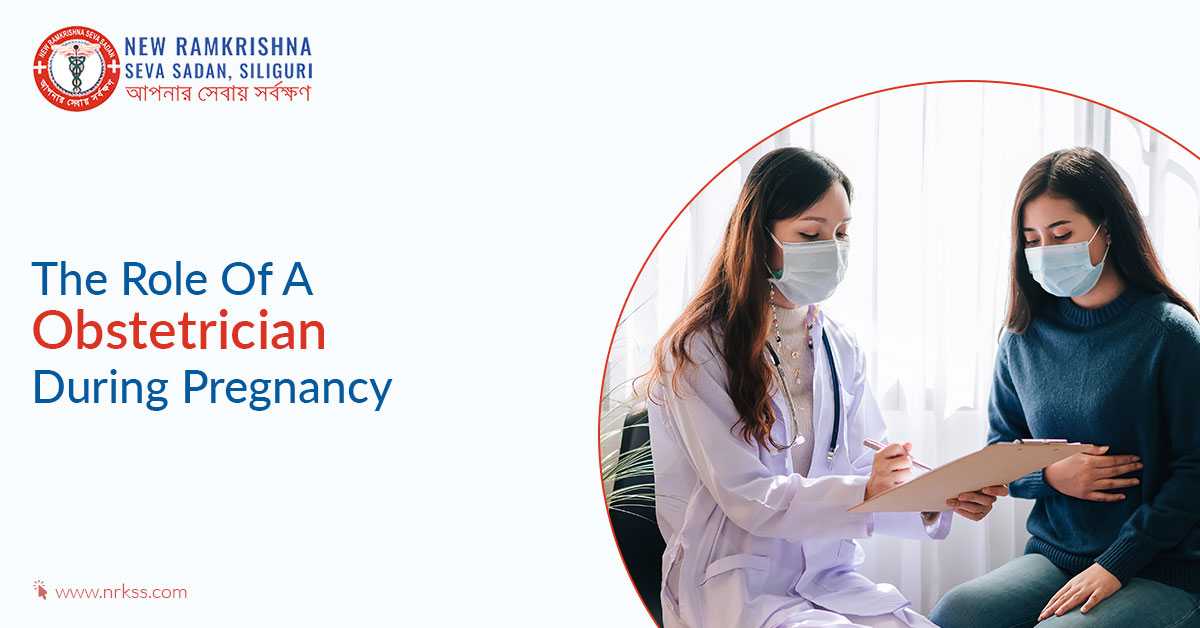
One of the primary responsibilities of an obstetrician is to monitor the health of both the mother and the developing baby through regular prenatal visits.
During these appointments, the doctor may:
- Measure blood pressure
- Monitor weight gain
- Check the baby's heartbeat
- Measure uterine growth
- Review pregnancy symptoms
- Monitor fetal development
Routine prenatal care helps identify potential health concerns early, allowing timely treatment and reducing the risk of pregnancy complications.
2) Performs Essential Prenatal Tests and Screenings
Prenatal investigations help assess the health of both mother and baby throughout pregnancy.
Depending on the stage of pregnancy and individual medical needs, your obstetrician may recommend:
- Complete blood count (CBC)
- Blood group and Rh factor testing
- Blood sugar screening
- Urine examination
- Ultrasound scans
- Anomaly scan
- Glucose tolerance test
- Infection screening
- Genetic screening (when medically indicated)
Additional examinations, such as pelvic examinations or transvaginal ultrasound, may be performed only when clinically necessary.
These tests help detect medical conditions early and ensure appropriate treatment.
3) Monitors Your Baby's Growth and Development
Throughout pregnancy, an obstetrician carefully monitors fetal growth and development.
Using ultrasound scans and other diagnostic tools, the doctor evaluates:
- Baby's growth
- Position inside the uterus
- Placental health
- Amniotic fluid levels
- Fetal heartbeat
- Overall fetal well-being
If any abnormalities or growth concerns are detected, further investigations and specialized care can be planned promptly.
4) Identifies and Manages High-Risk Pregnancies
Some pregnancies require additional medical attention due to increased health risks for the mother or baby.
A pregnancy may be considered high-risk if the mother has:
- High blood pressure
- Diabetes
- Thyroid disorders
- Heart disease
- Kidney disease
- Multiple pregnancy (twins or triplets)
- Previous miscarriage
- Previous preterm birth
- Pregnancy after age 35
- Pregnancy-related complications
Obstetricians closely monitor these pregnancies through more frequent check-ups, specialized investigations, and individualized treatment plans to improve pregnancy outcomes.
5) Diagnoses and Treats Pregnancy-Related Complications
Pregnancy can sometimes lead to medical complications that require immediate attention.
Common conditions managed by obstetricians include:
- Gestational diabetes
- Pregnancy-induced hypertension
- Preeclampsia
- Placenta previa
- Placental abruption
- Anaemia during pregnancy
- Hyperemesis gravidarum (severe morning sickness)
- Infections during pregnancy
Early diagnosis and proper management help reduce risks to both mother and baby.
6) Provides Guidance on Nutrition and Healthy Lifestyle
A healthy pregnancy involves much more than medical check-ups.
Obstetricians guide expectant mothers on:
- Balanced nutrition
- Weight management
- Folic acid and iron supplements
- Safe physical activity
- Adequate hydration
- Healthy sleep habits
- Vaccinations during pregnancy
- Foods and activities to avoid
These recommendations help support healthy fetal development while reducing pregnancy-related complications.
7) Prepares You for Labour and Delivery
As your due date approaches, your obstetrician helps you prepare for childbirth.
The doctor discusses:
- Signs of labour
- Birth plan
- Pain management options
- Normal vaginal delivery
- Caesarean section (when necessary)
- Possible delivery complications
Proper preparation helps reduce anxiety and enables expectant parents to make informed decisions.
8) Safely Manages Labour and Childbirth
Obstetricians play a critical role during labour and delivery.
They continuously monitor:
- Mother's health
- Baby's heart rate
- Progress of labour
- Cervical dilation
- Contractions
If complications arise, they are trained to perform emergency procedures, assist vaginal delivery when required, or perform a Caesarean section to ensure the safety of both mother and baby.
9) Provides Postpartum Care
Medical care does not end after childbirth.
Postpartum care helps mothers recover physically and emotionally after delivery.
Your obstetrician may provide guidance on:
- Recovery after vaginal or Caesarean delivery
- Breastfeeding support
- Nutrition
- Postpartum exercise
- Family planning
- Contraception
- Emotional well-being
- Screening for postpartum depression
Regular follow-up appointments ensure that both mother and baby remain healthy after birth.
Also Read:-
Early Signs of Pregnancy Every Woman Should Know
Why Is My Period Late but Not Pregnant?
Can We Eat Maggi in Pregnancy?
When Should You Consult an Obstetrician?

You should schedule your first prenatal appointment as soon as your pregnancy is confirmed.
You should also consult an obstetrician immediately if you experience:
- Vaginal bleeding
- Severe abdominal pain
- Persistent vomiting
- High fever
- Severe headache
- Blurred vision
- Swelling of the face or hands
- Decreased fetal movements
- Leaking fluid from the vagina
- Labour pains before 37 weeks
Prompt medical attention can help prevent serious complications.
Tips for a Healthy Pregnancy
Along with regular medical care, following healthy lifestyle habits can improve pregnancy outcomes.
Some simple tips include:
- Attend every prenatal appointment.
- Eat a balanced and nutritious diet.
- Take prescribed prenatal vitamins.
- Stay physically active if advised by your doctor.
- Get adequate rest and sleep.
- Drink enough water.
- Avoid smoking, alcohol, and recreational drugs.
- Take medications only after consulting your doctor.
- Monitor your baby's movements during later pregnancy.
- Report any unusual symptoms immediately.
Conclusion
An obstetrician plays an essential role throughout pregnancy by ensuring the health and safety of both mother and baby. From routine prenatal check-ups and diagnostic tests to managing high-risk pregnancies, labour, childbirth, and postpartum recovery, their expertise helps support a safe pregnancy journey.
Regular consultations, early diagnosis of complications, and personalized pregnancy care can significantly improve maternal and fetal outcomes. If you are planning a pregnancy or are already expecting, timely prenatal care is one of the best steps you can take for a healthy pregnancy. Book your consultation with our experienced obstetricians today and begin your journey towards a safe, healthy, and joyful pregnancy.
Updated: 7th August 2026