

One of the most emotional experiences in life is welcoming a baby into the world. For most families, it’s filled with joy and excitement. But sometimes, medical complications can make the journey more challenging, especially when a newborn needs special care right after birth.
If you’ve heard doctors talk about a Level III NICU and wondered what it really means, you’re not alone. Many parents feel anxious when they hear the term “NICU,” but understanding it clearly can bring significant relief and confidence.
In cities like Siliguri, access to an experienced obstetrician and advanced newborn care facilities plays a crucial role in ensuring the safety of both mother and baby. Let’s break everything down in simple words so you know exactly what a Level III NICU is, when it’s needed, and how it helps save tiny lives.
Understanding the Neonatal Intensive Care Unit (NICU)
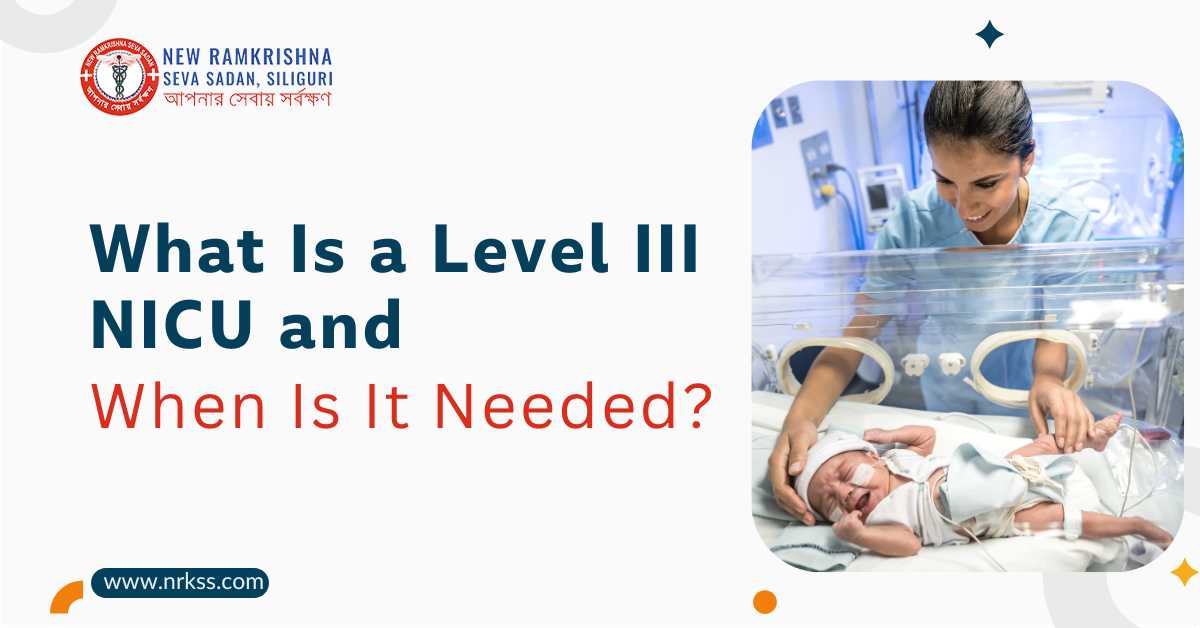
A neonatal intensive care unit is a special hospital area designed to care for newborn babies who need extra medical attention. These babies may be born too early, have low birth weight, have breathing problems, have infections, or have other health concerns.
NICUs are classified into different levels based on the type of care they provide:
- Level I – Basic newborn care
- Level II – Special care for moderately ill babies
- Level III – Advanced neonatal care and life support
A Level III NICU is the highest level of newborn care available in most hospitals.
What Exactly Is a Level III NICU?
A Level III NICU is designed to care for critically ill and premature babies who need continuous monitoring, advanced life support, and specialized treatment. According to neonatology standards, Level III NICUs are designed to manage the most complex newborn emergencies, including extreme prematurity and respiratory failure.
These units are equipped with:
- Advanced ventilators for breathing support
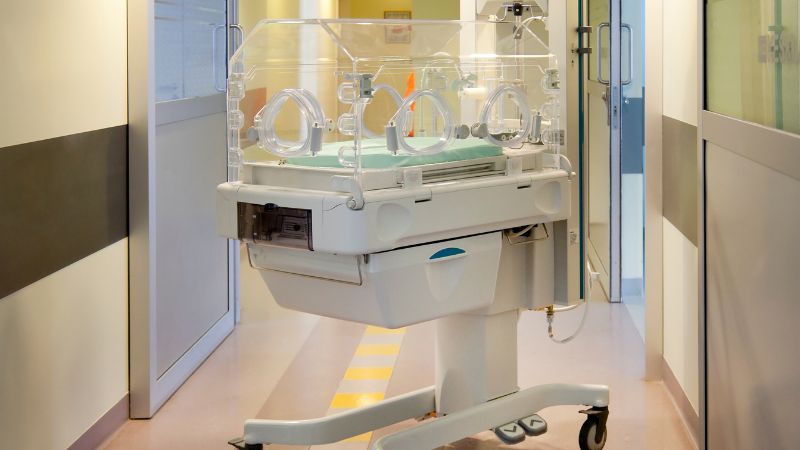
- Incubators to regulate body temperature
- Continuous heart and oxygen monitoring
- Skilled neonatologists and trained NICU nurses
- Emergency surgical and diagnostic support
This level of care is especially important for the NICU for premature babies who are born before their organs are fully developed.
In simple terms, a Level III NICU acts like a safe cocoon where fragile newborns get the best possible care during their most critical early days.
Which Babies Need Level III NICU Care?
Not all newborns require intensive care, but certain conditions make a Level III NICU essential. Babies who are born under high-risk situations are often admitted here immediately after birth.

Babies Who Commonly Need Level III NICU:
- Premature babies, especially those born before 32 weeks
- Babies with very low birth weight
- Newborns with breathing difficulties
- Babies born with infections or sepsis
- Infants with congenital abnormalities
- Babies affected by birth complications like lack of oxygen
Pregnancies monitored by a high-risk pregnancy expert in Siliguri often help identify these risks early, ensuring that delivery happens in a hospital with advanced neonatal care.
Early planning can make a life-saving difference.
Why Premature Babies Need Advanced NICU Support
Premature babies are delicate because their lungs, brains, and immune systems are still developing. They may struggle to breathe, maintain body temperature, or feed properly.
A NICU for premature babies provides:
- Respiratory support until lungs mature
- Nutritional support through feeding tubes
- Protection from infections
- Careful monitoring of brain and organ development
Without a Level III NICU, managing these challenges becomes much more difficult.
Advanced Neonatal Care: What Makes Level III NICU Special?
With dedicated neonatologists and round-the-clock intensive newborn care, a Level III NICU is equipped to respond immediately to even the most critical newborn emergencies.
Key Features of Advanced Neonatal Care:
- 24/7 availability of neonatologists
- Advanced life-saving equipment
- Immediate response to medical emergencies
- Multidisciplinary medical support
- Personalized care for each newborn
This level of advanced neonatal care ensures that even the most vulnerable babies get a fighting chance at a healthy life.
Role of Pregnancy Monitoring in Reducing NICU Risks
Many NICU admissions can be predicted or prepared for during pregnancy. Regular checkups, scans, and tests help doctors assess fetal health early.
An experienced obstetrician in Siliguri plays a vital role in:
- Identifying high-risk pregnancies
- Monitoring fetal growth and development
- Planning safe delivery timing
- Coordinating neonatal care if required
Early detection allows families to be mentally and medically prepared.
Advanced Diagnostic Tests During Pregnancy
Certain diagnostic tests during pregnancy help doctors identify potential risks before birth. These tests are especially important for mothers with complicated pregnancies.
Important tests include:
- Ultrasound scans
- Doppler studies
- Blood screening tests
- Genetic testing
One important test is the amniocentesis test in Siliguri, which helps detect genetic conditions or chromosomal abnormalities in the baby. When such risks are identified early, doctors can plan advanced neonatal support.
Preparation saves time and often lives.
Emotional Support for Parents During NICU Stay

It can be emotionally taxing to have a newborn in the NICU. Parents may feel fear, guilt, or helplessness. This is completely normal.
Level III NICUs often support families by:
- Allowing parental involvement in care
- Providing regular updates on the baby’s condition
- Offering counseling and emotional guidance
- Educating parents about baby care
Remember, NICU care is not a setback; it’s a bridge to recovery.
How Long Do Babies Stay in Level III NICU?
The length of stay varies depending on the baby’s condition. Some babies stay for a few days, while others may need weeks of care.
Doctors focus on:
- Stable breathing
- Ability to feed independently
- Maintaining body temperature
- Steady weight gain
Once these milestones are achieved, babies are gradually shifted out of intensive care.
Answers to Common Parent Questions
1. What is a Level III NICU?
A Level III NICU provides advanced medical care for critically ill and premature newborns.
2. Is NICU care safe for babies?
Yes. NICUs are designed to offer the safest environment for newborns who need extra care.
3. Do all premature babies need a Level III NICU?
Not all, but very premature or medically unstable babies usually do.
4. Can parents visit babies in the NICU?
Yes. Most NICUs encourage parental involvement under medical guidance.
5. Is Level III NICU expensive?
Costs depend on duration and treatment, but the care is essential and often life-saving.
When Should Parents Be Concerned?
It’s natural for parents to worry about their baby’s health, especially during pregnancy or right after birth. While not every situation is an emergency, there are times when extra attention is important.
If your pregnancy has been marked as high-risk, if there are concerns about early delivery, or if your doctor mentions possible complications for the baby, it’s wise to ask about NICU support in advance.
Being informed only means being ready; it doesn't imply that you should assume the worst. Early guidance, timely checkups, and choosing a hospital with advanced newborn care can reduce stress and help parents feel more confident and reassured during this important time.

Final Thoughts
A Level III NICU is not just a medical unit; it’s a place of hope for newborns who need extra care during their most fragile early days. With the use of cutting-edge technology, skilled neonatologists, and 24-hour monitoring, premature and severely unwell infants can gradually gain strength.
When this care is supported by timely pregnancy checkups, guidance from an experienced obstetrician in Siliguri, and access to advanced neonatal care, families can face even high-risk situations with greater calm and confidence.
If you’re expecting a baby or need special newborn care, choosing the right hospital can bring real peace of mind. New Ramkrishna Seva Sadan offers trusted maternity services and a well-equipped Level III NICU when it matters most.
Comments (0)