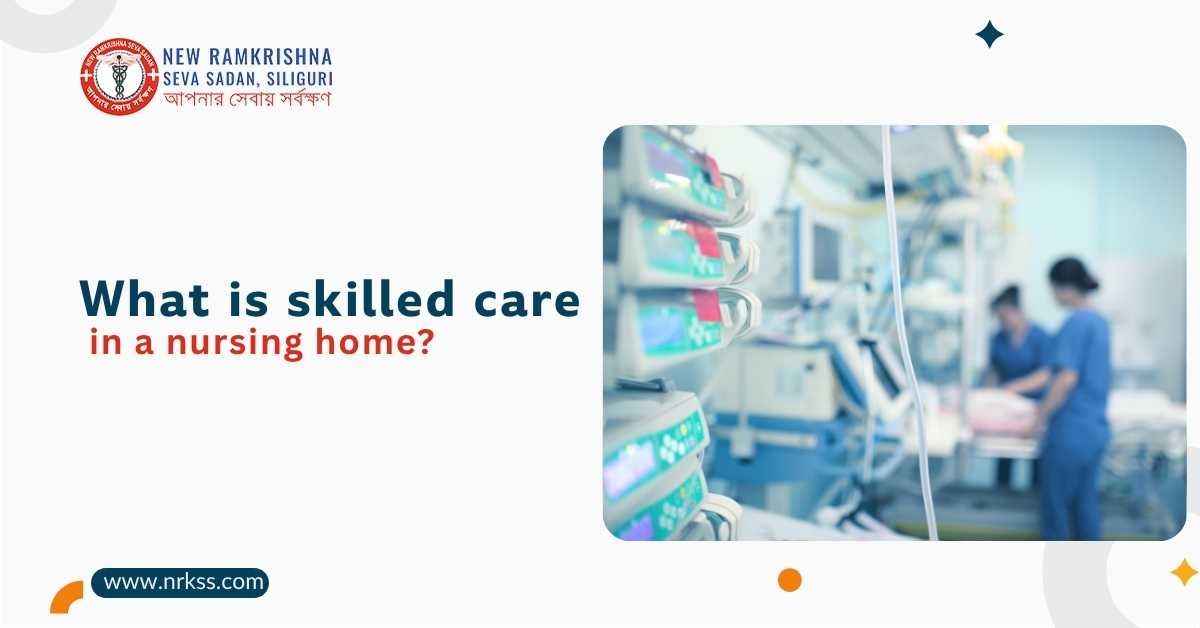
Recovering from surgery, a stroke, or a serious illness often requires more than basic assistance at home. Some patients need continuous medical supervision, rehabilitation, and specialized treatments that can only be provided by trained healthcare professionals. This is where skilled care in a nursing home becomes essential.
Skilled nursing care includes doctor-prescribed medical services such as wound care, IV therapy, medication management, rehabilitation therapies, and 24/7 monitoring by licensed nurses and therapists. It helps patients recover safely, manage complex health conditions, and regain their independence.
If you are looking for a trusted nursing home in Siliguri, understanding skilled care can help you make the right decision for your loved one. This guide explains what skilled care is, the services it includes, and when it becomes necessary.
What is Skilled Care in a Nursing Home?
Skilled care in a nursing home is specialized medical care prescribed by a doctor and provided by licensed healthcare professionals, including Registered Nurses (RNs), Licensed Practical Nurses (LPNs), physiotherapists, occupational therapists, and speech-language pathologists.
Unlike basic custodial care, which focuses on daily activities such as bathing, dressing, and eating, skilled care is designed to treat, monitor, and manage complex medical conditions. Patients recovering from surgery, stroke, fractures, severe infections, or chronic illnesses often benefit from this level of care.
Skilled care may include:
- Advanced wound care
- IV therapy and injections
- Medication management
- Tube feeding and catheter care
- Physical, occupational, and speech therapy
- Continuous monitoring of vital signs
- Pain management and rehabilitation
Because these treatments require medical expertise, skilled nursing care is available under the supervision of doctors and licensed healthcare professionals, ensuring safe and effective recovery.
Skilled Care vs. Custodial Care
| Skilled Care | Custodial Care |
|---|---|
| Doctor-prescribed medical care | Personal assistance with daily activities |
| Provided by licensed nurses and therapists | Provided by caregivers or attendants |
| Includes rehabilitation and medical treatment | Focuses on bathing, dressing, eating, and mobility |
| Suitable for complex medical conditions | Suitable for non-medical support |
| Requires continuous clinical supervision | Does not require medical supervision |
Understanding this difference helps families choose the right level of care based on their loved one's medical needs.
Types of Skilled Care in a Nursing Home
Skilled care includes a range of medical and rehabilitation services that work together to improve recovery and quality of life.
1. Skilled Nursing Care
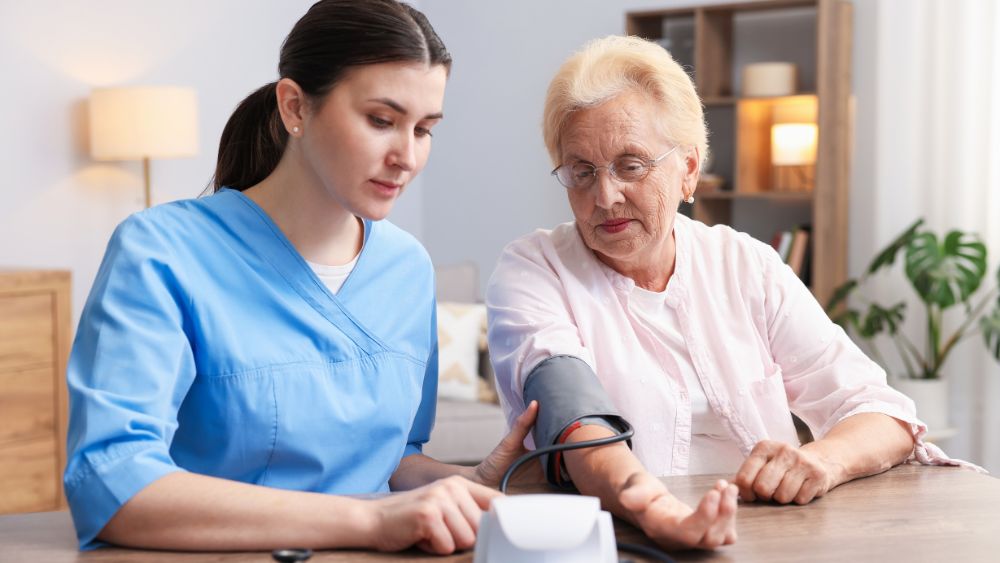
Skilled nursing care forms the foundation of medical support in a nursing home. Licensed nurses provide round-the-clock monitoring and treatment to ensure patients receive safe and timely care.
Services include:
- Medication Management: Administering medicines accurately while monitoring for side effects.
- IV Therapy: Delivering antibiotics, fluids, medications, or blood products through a vein.
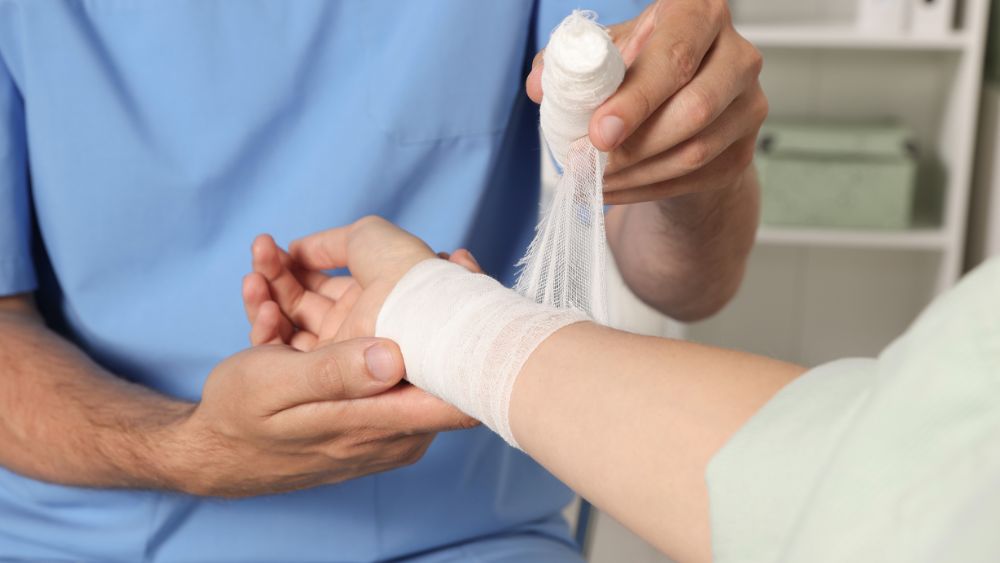
- Advanced Wound Care: Treating surgical wounds, pressure ulcers, diabetic foot ulcers, and other complex injuries.
- Catheter and Feeding Tube Care: Managing urinary catheters and feeding tubes while preventing complications.
- Vital Sign Monitoring: Regularly checking blood pressure, oxygen levels, pulse rate, temperature, and overall health.
- Pain Management: Monitoring pain levels and adjusting treatment plans under physician guidance.
2. Rehabilitation Therapies
Rehabilitation helps patients regain strength, mobility, and independence after surgery, injury, or illness.
These therapies may include:
Physical Therapy (PT)
Physical therapists help improve balance, strength, flexibility, and walking ability. Therapy also reduces the risk of future falls and supports faster recovery.
Occupational Therapy (OT)
Occupational therapists help patients relearn everyday activities such as dressing, eating, bathing, writing, and using household items safely.
Speech and Language Therapy
Speech-language pathologists assist patients experiencing communication or swallowing difficulties following conditions such as stroke or neurological disorders.
Respiratory Therapy
Patients with severe lung conditions receive breathing support, oxygen therapy, and respiratory exercises to improve lung function.
3. Specialized Medical Programs
Many patients require focused treatment plans for specific medical conditions. Skilled nursing facilities offer specialized programs tailored to individual recovery needs.
These programs often include:
- Post-stroke rehabilitation
- Cardiac rehabilitation after heart surgery or heart attack
- Pulmonary care for COPD and chronic respiratory diseases
- Dementia and memory care
- Palliative care focused on symptom relief and improving quality of life
At New Ramkrishna Seva Sadan, our experienced doctors, nurses, physiotherapists, and rehabilitation specialists work together to create personalized care plans that promote safe recovery and improved quality of life.
What are the Reasons a Person Might Require Skilled Care at a Nursing Home?
Not every patient needs skilled nursing care. However, when a person's medical condition requires continuous monitoring, specialized treatment, or rehabilitation that cannot be safely managed at home, skilled care becomes essential. Choosing a reliable nursing home in Siliguri ensures patients receive expert medical attention and personalized care throughout their recovery.
Below are some of the most common reasons a person may require skilled care.
1. Recovery After Surgery or Hospitalization
Many patients are discharged from the hospital before they are fully independent. Skilled nursing care bridges the gap between hospital treatment and returning home safely.
Patients recovering from the following conditions often benefit from short-term rehabilitation:
- Hip or knee replacement surgery
- Major fractures
- Stroke recovery
- Heart surgery
- Severe infections
- Respiratory illnesses
During recovery, skilled nurses and therapists provide medication management, wound care, rehabilitation therapies, and continuous monitoring to reduce complications and speed up healing.
2. Complex Medical Treatments
Some treatments require professional medical expertise and cannot be safely performed at home.
These include:
- IV medications and antibiotic therapy
- Advanced wound dressing for surgical wounds and pressure ulcers
- Feeding tube and catheter management
- Respiratory care and oxygen therapy
- Regular injections and medication monitoring
Licensed healthcare professionals carefully monitor each treatment to ensure patient safety and reduce the risk of infection or other complications.
3. Rehabilitation After Stroke or Injury
A stroke or serious injury can affect mobility, speech, balance, and daily living activities. Skilled rehabilitation helps patients regain independence through structured therapy programs.
Depending on the patient's condition, rehabilitation may include:
- Physical therapy to improve movement and strength
- Occupational therapy to restore daily living skills
- Speech therapy for communication and swallowing difficulties
- Balance and fall prevention exercises
Early rehabilitation often improves recovery outcomes and helps patients return to their normal routine sooner.
4. Management of Chronic Health Conditions
People living with multiple chronic illnesses often require ongoing medical supervision.
Skilled nursing care is beneficial for conditions such as:
- Heart failure
- Chronic Obstructive Pulmonary Disease (COPD)
- Diabetes requiring insulin management
- Parkinson's disease
- Multiple sclerosis
- Advanced neurological disorders
Healthcare professionals continuously monitor the patient's condition, adjust treatment plans, and respond quickly if medical issues arise.
5. Advanced Dementia and Memory Care
As dementia progresses, some individuals develop complex medical and behavioral needs that require skilled supervision.
Patients may need assistance with:
- Medication management
- Nutrition and hydration
- Safe mobility
- Behavioral changes
- Swallowing difficulties
- Preventing falls and injuries
A structured environment with trained medical professionals helps improve patient safety and overall well-being while providing reassurance to families.
6. Limited Mobility and High-Dependency Care
Patients with severe physical limitations often require assistance with movement and transfers.
This includes individuals who:
- Cannot walk independently
- Need two-person assistance for transfers
- Require mechanical lifting equipment
- Are at high risk of falls
- Are confined to bed for extended periods
Skilled nursing staff ensure safe movement, prevent pressure sores, and support patients with rehabilitation exercises whenever possible.
Also Read:-
How Local Nursing Homes Are Integrating Digital Diagnostics for Faster Recovery
Are Siliguri Nursing Homes Safe for Senior Citizens?
Frequently Asked Questions
1) Is skilled nursing care the same as a nursing home?
No. Skilled nursing care refers to specialized medical treatment provided by licensed healthcare professionals. A nursing home may offer both skilled nursing services and assistance with daily living activities, depending on a patient's needs.
2) How long does skilled nursing care last?
The duration depends on the patient's medical condition and recovery progress. Some patients require care for only a few weeks, while others may need longer-term support based on their doctor's recommendation.
3) Who can benefit from skilled nursing care?
Patients recovering from surgery, stroke, fractures, severe illness, chronic diseases, or those requiring rehabilitation, IV therapy, wound care, or continuous medical supervision can benefit from skilled nursing care.
Conclusion
Skilled care in a nursing home provides specialized medical support for patients recovering from surgery, illness, injury, or complex health conditions. With 24/7 supervision by licensed nurses, rehabilitation therapists, and physician-guided treatment plans, patients receive the comprehensive care needed for a safe and successful recovery.
If you are looking for a dependable nursing home in Siliguri, New Ramkrishna Seva Sadan is committed to delivering high-quality skilled nursing care with compassion, professionalism, and personalized attention. Our experienced healthcare team focuses on helping every patient regain strength, improve independence, and enjoy a better quality of life.
Contact New Ramkrishna Seva Sadan today to learn more about our skilled nursing services and discover how we can support your loved one's recovery journey.

