
Today, irregular periods are a common issue in teenagers, but this can be managed with regular meals, enough sleep, balanced exercise, stress control, and tracking periods.
Some irregularity is also normal during the first few years after the first period. Treatment may be needed if periods stay irregular, become heavy, stop for several months, or come with severe pain or other unusual symptoms.
If you or your parents are worried about irregular periods, a doctor can help find the cause and suggest the right treatment based on your needs. Consulting a top gynecologist in Siliguri can help decide whether tests, medicines, or simple monitoring are needed.
Are Irregular Periods Normal in Teenage Girls?
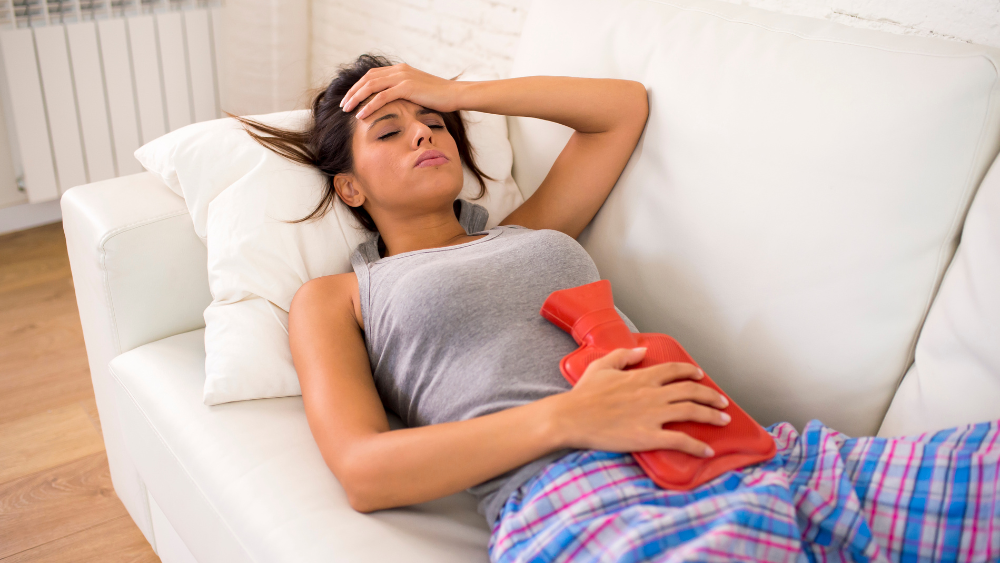
In teenagers, sometimes irregular periods are normal, especially during the first few years after the first period, because the body still needs time to adapt to changes in hormones; that's why periods may come earlier or later than expected.
However, a teenager should see a doctor if her periods are heavy or painful, regularly come less than 21 days or more than 45 days apart, or if she goes 90 days or more without a period.
These signs may need further evaluation to find the underlying cause, so consulting the best gynecologist doctor in Siliguri can help identify the problem and guide the right treatment.
Why Do Irregular Periods Happen in Teenage Girls?
Hormonal changes:
In the first few years of menstruation, the hormones are still developing, which may cause periods to come later. Earlier or sometimes be skipped.
Stress:
Too much stress from studies, family issues, or emotional problems can affect the menstrual cycle and sometimes delay periods.
Changes in weight:
Sudden weight loss or weight gain can affect hormone levels, which makes periods irregular.
Excessive exercise:
Doing too much exercise, especially without enough food and rest, can affect hormone levels and make periods irregular or sometimes stop.
PCOS:
PCOS can cause irregular or missed periods in teenagers. Other signs may include acne, increased facial or body hair, or difficulty managing weight.
Other health conditions:
Some medicines and health conditions can also affect periods. If irregular periods continue or are accompanied by other unusual symptoms, a doctor can help identify the cause.
How Can Irregular Periods Be Managed at Home?
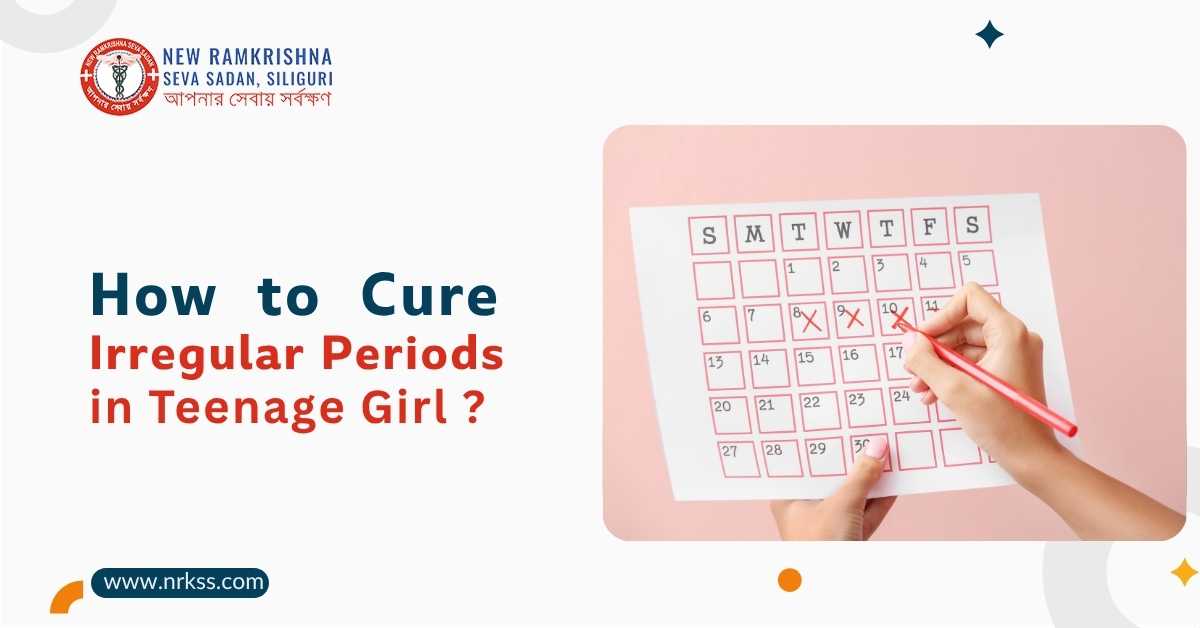
Track the Menstrual Cycle
● Record your period dates
● Observe how long the bleeding lasts
● Note severe pain, dizziness, or other unusual symptoms
● Use a period-tracking app or simple calendar
Eat a Balanced Diet
● Eat healthy meals that provide proper nutrition
● Choose iron-rich foods
● Eat fruits and vegetables
● Choose whole grains
● Drink enough water
● Avoid skipping meals
Get Enough Sleep
● Follow a proper sleep schedule
● Sleep properly for 8–10 hours
● Avoid staying up late regularly
● Limit screen time before bed
Manage Stress
● Practise relaxation techniques
● Do breathing exercises
● Spend time with your friends, family, or outdoors
● Take time away from academic pressure
● Talk to someone you trust
● Maintain hobbies and enjoyable activities
Avoid Excessive Exercise
● Stay physically active
● Choose moderate exercise
● Avoid sudden increases in intense workouts
● Get enough rest between workouts
● Eat enough food to support your exercise and daily activities.
Maintain a Healthy Weight
● Avoid sudden weight loss
● Avoid rapid weight gain
● Avoid doing extreme weight-loss diets
● Focus on your eating habits
Avoid Self-Medication
● Avoid self-medication
● Do not take supplements without advice
● Avoid unproven home remedies
● See a doctor if periods remain irregular
Maintain Good Overall Health
● Stay hydrated
● Follow a regular daily routine
● Take prescribed medicines as directed
● Manage existing health conditions
● Keep track of changes in menstrual patterns
What Tests May Be Needed for Irregular Periods?
Here are some tests that the best gynecologist doctor in Siliguri recommends to identify the cause:
● Pregnancy test
● Complete blood count (CBC)
● Serum ferritin and iron studies
● Thyroid-stimulating hormone (TSH)
● Prolactin
● Follicle-stimulating hormone (FSH)
● Luteinizing hormone (LH)
● Estradiol
● Total and free testosterone
● DHEAS
● 17-hydroxyprogesterone
● Blood glucose
● HbA1c
● Lipid profile
● Pelvic ultrasound
● Bleeding disorder tests
● Von Willebrand factor testing
● Coagulation tests (PT/INR and aPTT)
What Medical Treatment Is Available for Irregular Periods in Teenagers?
Every teenager is different, so their treatment depends on their symptoms, health, and the cause of their irregular periods.
● Hormonal medicines: These medicines are given to regulate periods or reduce heavy bleeding.
● Iron supplements:These supplements are recommended if heavy periods cause low iron levels or anemia.
● PMOS treatment:A doctor may recommend some changes in lifestyle habits and also give some medicines to manage PMOS and its symptoms.
● Thyroid treatment: If a thyroid problem is causing irregular periods, treating it may help regulate the cycle.
● Exercise changes: Reducing very intense exercise and getting enough rest may help if excessive exercise is affecting the menstrual cycle.
● Pain relief: A doctor may suggest pain-relief medicines if period cramps are difficult to manage.
● Regular monitoring: In some cases, the doctor may recommend tracking periods and regular check-ups instead of medicines.
Do not take hormonal medicines, iron supplements, or other medicines without a doctor’s advice. Since treatment depends on the cause, consult the best gynecologist hospital in Siliguri when needed.
When Should a Teenage Girl See a Gynaecologist?
● Long gaps between periods: Periods regularly come more than 45 days apart.
● Periods are too frequent:Periods regularly come less than 21 days apart.
● No period for 90 days: There is a gap of 90 days or more between periods.
● Very heavy bleeding: Bleeding lasts more than 7 days or requires changing a pad every 1–2 hours.
● Severe period pain: Pain makes it difficult to attend school or do daily activities.
● Sudden irregular periods: Periods become irregular after being regular.
● Signs of PMOS:Irregular periods with acne or extra facial or body hair.
● Major weight changes: Sudden or unexplained weight loss or gain.
● Dizziness or weakness:Especially during or after heavy periods.
● No first period by 15: Menstruation has not started by age 15.
● Possible pregnancy: A missed period in a sexually active teenager.
● Any concern: The teenager or her parents are worried about her menstrual health.
Can Irregular Periods Affect a Teenager's Future Health?
Irregular periods are often normal during the first few years after a girl gets her first period. As her hormones settle, her menstrual cycle usually becomes more predictable.
But if periods stay irregular for a long time, it can sometimes be a sign of PCOS, thyroid problems, poor nutrition, or other health issues. Long gaps without periods should not be ignored.
Getting the cause checked early can make treatment easier when needed. It also helps support healthy bones, hormones, and reproductive health as the teenager grows.
What Should Parents Do If Their Teenage Girl Has Irregular Periods?
.png)
Here are some simple things parents can do to support their teenage daughter. If irregular periods continue, the best gynecologist hospital in Siliguri can help find the cause and suggest the right care.
● Stay calm and supportive
● Talk openly about her periods
● Help her track her periods
● Encourage regular, balanced meals
● Support a healthy sleep routine
● Help her manage stress
● Avoid pressure about weight
● Watch for warning signs
● Avoid giving medicines without medical advice
● Consult a doctor when needed
● Respect her privacy during medical visits
What Should a Teenager Note Before Visiting a Doctor?
Before consulting with the best gynecologist doctor in Siliguri, a teenager can note down a few details about her periods and overall health. This can make the appointment easier and help the doctor understand the menstrual pattern.
● Recent period dates and cycle length
● Number of bleeding days and flow
● Cramps or severe period pain
● Acne, excess hair, dizziness, headaches, or tiredness
● Recent weight loss or gain
● Diet, exercise, sleep, and stress
● Current medicines and supplements
● Existing health conditions
● Family history related to PCOS, thyroid problems, or bleeding disorders
FAQS
Are irregular periods normal at 16?
Yes, it happens because your body is still developing hormonal patterns; this mostly happens in the first few years of menstruation.
Is missing periods for several months normal?
Not always. If you are going 90 days without periods, it should be evaluated by your gynecologist in Siliguri.
Can irregular periods, weight gain, and excess hair indicate PCOS?
Yes, these symptoms may indicate PCOS, but it is important to consult a doctor for proper evaluation and diagnosis before taking any medication on your own.
At The End
Some irregularity is normal during the teenage years because the body needs time to adapt; this can be improved by following simple habits like eating regular meals, sleeping well, staying active, managing stress, and tracking periods, but if irregular periods continue or do not improve, it is best to consult a doctor to find the cause and get the right treatment.
If periods are very heavy, painful, widely spaced, or stop for several months, medical advice may be needed. A top gynecologist in Siliguri can help find the cause and suggest whether monitoring, tests, or treatment is needed.
If you are concerned about your teenager’s periods, New Ramkrishna Seva Sadan can be considered for professional guidance. Getting advice early can help manage the problem with the right care.