



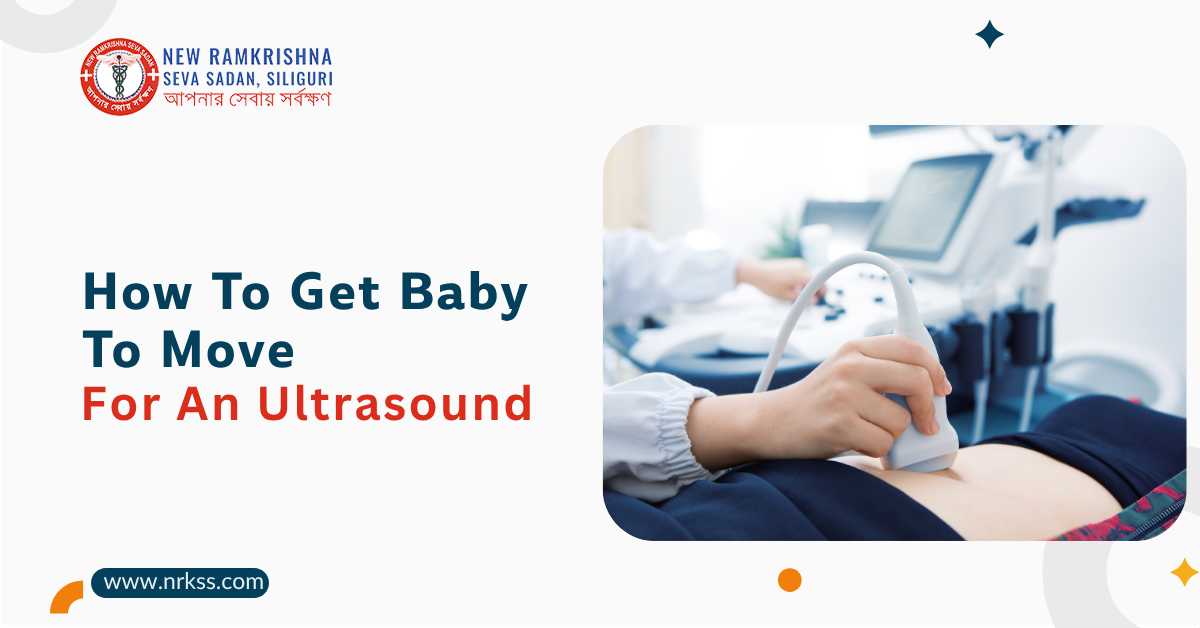
Every expectant parent looks forward to seeing their baby on the ultrasound screen, but getting your little one to cooperate is often easier said than done.
These anatomy scans and ultrasounds require specific angles, but babies rarely follow a schedule. One common tip is to drink a glass of cold water or a sugary drink, such as orange juice, shortly before your appointment, as this may encourage fetal movement.
Consulting a fetal medicine specialist in Siliguri is an important step for expectant mothers who require advanced anomaly scans, genetic counseling, fetal monitoring, or specialized care during high-risk pregnancies.
Drinking a cold glass of water or a sugary drink may change the temperature and create a mild blood sugar increase, which can sometimes encourage your baby to wake up or shift positions.
Here is your guide to understanding and learning how to get your baby to move for an ultrasound.
Quick Answer: How To Get Your Baby To Move For An Ultrasound?
If your baby is sleeping or facing away during an ultrasound, simple and safe methods may encourage movement. These include drinking cold water, having a light snack, drinking fruit juice, taking a short walk, changing your position, laughing gently, or following your healthcare provider’s instructions regarding bladder preparation. These techniques may help your baby shift into a better position, allowing the sonographer to obtain clearer images during the scan.
What Is An Ultrasound?

An ultrasound is a safe and painless imaging test that uses high-frequency sound waves to create real-time images of your baby and internal organs.
It is the standard tool used to monitor fetal development during pregnancy because it uses sound waves instead of radiation, making it safe for both mother and baby.
How An Ultrasound Works
- A handheld device called a transducer emits high-frequency sound waves into the body.
- These sound waves bounce off tissues, organs, fluids, and the developing baby.
- The returning echoes are processed by a computer.
- The computer instantly converts these echoes into real-time images displayed on a screen.
For advanced pregnancy care, detailed anomaly scans, and expert fetal assessment, you can consult a trusted feto expert in Siliguri.
When Should You Consult A Fetal Medicine Specialist?
A fetal medicine specialist provides advanced prenatal care and detailed fetal assessments during pregnancy. You may be advised to consult a fetal medicine specialist in Siliguri if:
- You have a high-risk pregnancy.
- Abnormal findings are detected during a routine ultrasound.
- You are carrying twins or multiple babies.
- You have medical conditions such as diabetes, hypertension, or thyroid disorders during pregnancy.
- There is a family history of genetic disorders.
- Your doctor recommends specialized fetal monitoring or prenatal testing.
Early consultation helps ensure timely diagnosis, expert guidance, and appropriate pregnancy management for both mother and baby.
Why Is Ultrasound Done During Pregnancy?
Ultrasounds help:
- Track fetal development.
- Verify important pregnancy milestones.
- Detect potential maternal or fetal complications.
- Monitor the health of both mother and baby.
- Assess fetal growth and overall well-being.
Ultrasounds are performed throughout pregnancy, and the purpose of each scan may vary depending on the trimester.
Ultrasound During The First Trimester: Early Pregnancy
During the first trimester, ultrasounds are performed to:
Confirm Pregnancy
Verify the presence of a gestational sac and detect the baby's heartbeat.
Determine Pregnancy Dating
Measure the baby from head to rump to establish an accurate due date.
Check For Multiple Pregnancies
Identify twins, triplets, or higher-order multiples.
Rule Out Complications
Ensure the embryo is implanted correctly inside the uterus and help rule out ectopic pregnancy.
Early Genetic Screening
Specialized scans such as Nuchal Translucency (NT) screening help assess early markers of chromosomal abnormalities.
Ultrasound During The Second Trimester: Mid-Pregnancy
During the second trimester, ultrasounds help evaluate:
Detailed Anatomy
A comprehensive anomaly scan examines the baby's:
- Brain
- Spine
- Heart
- Face
- Abdomen
- Limbs
- Internal organs
Amniotic Fluid Assessment
Measures the amount of fluid surrounding the baby to ensure healthy development.
Ultrasound During The Third Trimester: Late Pregnancy
Third-trimester ultrasounds are used for:
Growth Monitoring
Track fetal growth and estimate birth weight.
Position Assessment
Determine whether the baby is in a head-down, breech, or transverse position.
Doppler Blood Flow Studies
Assess blood circulation through the placenta and umbilical cord.
A high-risk pregnancy expert in Siliguri can closely monitor maternal and fetal health, identify potential complications early, and recommend appropriate interventions to support a healthy pregnancy and delivery.
How To Get Your Baby To Move For An Ultrasound?
The most effective ways to encourage fetal movement include:
- Drinking cold water
- Having a light snack
- Drinking fruit juice
- Taking a short walk
- Changing body positions
Babies naturally experience sleep cycles lasting approximately 20–40 minutes inside the womb. If your baby is sleeping or facing away from the ultrasound probe, simple techniques may encourage movement and improve image quality.
Pre-Appointment Preparation Tips For Your Ultrasound
Stay Well Hydrated
Hydrating well in the days leading up to your ultrasound may help maintain healthy amniotic fluid levels and provide better imaging conditions.
Eat A Light Meal
A healthy snack 30–60 minutes before your appointment may help gently stimulate fetal activity.
Good options include:
- Fruit
- Yogurt
- Peanut butter toast
- Whole-grain crackers
Schedule Your Scan During Active Times
Many mothers notice specific times when their baby is naturally more active. Scheduling your appointment during these periods may improve the chances of obtaining clear images.
Instant Tricks To Try At The Clinic
Drink Cold Fruit Juice
A small amount of cold fruit juice 10–15 minutes before the scan may increase fetal activity due to the combination of natural sugars and temperature change.
Cold water may have a similar effect.
Take A Short Walk
Walking for 10–15 minutes before the ultrasound may gently wake a sleeping baby and encourage repositioning.
Change Your Position
Changing positions during the scan can alter the shape of the uterine environment and encourage your baby to move.
Laugh Or Cough Gently
A gentle laugh or cough may create enough movement to encourage a stubborn baby to shift positions.
Follow Bladder Preparation Instructions
Follow your healthcare provider's instructions regarding bladder preparation before an ultrasound. Depending on the type of scan and stage of pregnancy, you may be asked to have either a full or partially empty bladder.
What If Your Baby Still Doesn't Move During The Ultrasound?

Sometimes, despite trying various techniques, your baby may remain in a position that makes imaging difficult. This is completely normal and usually not a cause for concern.
If the required views cannot be obtained during the scan, the sonographer may:
- Ask you to change positions.
- Request a short walk.
- Suggest drinking water.
- Recommend a light snack.
- Schedule a repeat ultrasound appointment.
Babies have their own activity patterns, and many simply need additional time to move naturally.
Things To Avoid Before Your Ultrasound Appointment
Avoid Heavy Meals
Large or greasy meals may cause discomfort and occasionally interfere with image quality.
Avoid Excessive Sugar Or Caffeine
Too much caffeine or processed sugary foods may cause excessive fetal activity, making precise measurements more difficult.
Do Not Press Your Belly Forcefully
Never poke or press your abdomen aggressively. If repositioning is needed, the sonographer will safely apply gentle pressure using the ultrasound probe.
Also Read:-
Tips To Get The Baby Move During An Anomaly Scan
Frequently Asked Questions
1) How Long Can A Baby Sleep During An Ultrasound?
Babies commonly have sleep cycles lasting 20–40 minutes in the womb.
2) Does Drinking Cold Water Help A Baby Move During An Ultrasound?
In some cases, yes. The temperature change may stimulate fetal movement, although responses vary among babies.
3) What Happens If My Baby Does Not Move During The Scan?
Your sonographer may ask you to walk, change positions, or return for a repeat scan if important images cannot be obtained.
4) Is It Safe To Encourage My Baby To Move Before An Ultrasound?
Yes. Safe methods such as hydration, light snacks, walking, and changing positions are commonly recommended.
Conclusion
Getting your baby to move during an ultrasound can often be achieved through simple and safe methods such as drinking cold water, eating a light snack, taking a short walk, changing positions, and staying well hydrated. These techniques may help your baby shift into a more favorable position, allowing clearer and more accurate ultrasound images. If you require expert prenatal assessment, advanced fetal scans, or care for a high-risk pregnancy, consult a fetal medicine specialist in Siliguri at New Ramkrishna Seva Sadan. Our experienced team provides comprehensive fetal medicine services, including anomaly scans, growth scans, genetic counseling, and advanced prenatal care to support a healthy pregnancy journey.
Book your appointment today for expert fetal monitoring and pregnancy care.
