


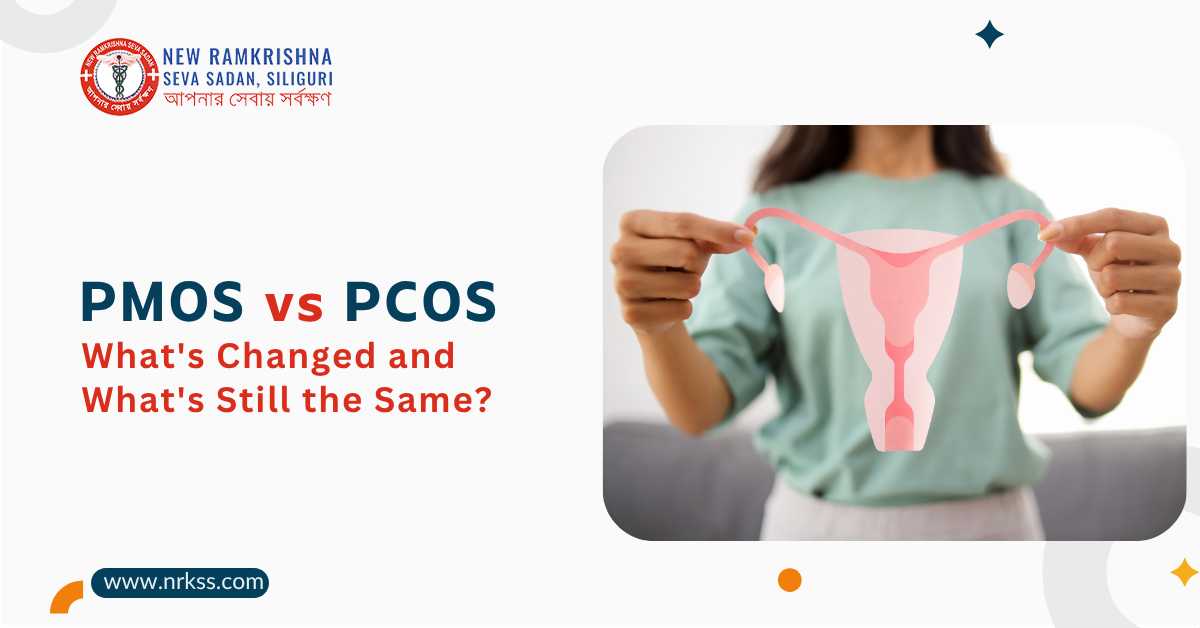
Have you recently heard the term PMOS and wondered how it differs from PCOS? You're not alone. In May 2026, an international medical consensus officially renamed Polycystic Ovary Syndrome (PCOS) to Polyendocrine Metabolic Ovarian Syndrome (PMOS). The updated name better reflects the condition's effects on hormones, metabolism, and ovarian function. While the name has changed, the symptoms, diagnosis, and treatment remain the same.
If you're looking for expert guidance on hormonal or reproductive health, consulting the best gynecologist in Siliguri is the first step toward an accurate diagnosis and personalized care. This guide explains everything you need to know about PMOS, including why the name changed, its symptoms, diagnosis, treatment, and what the change means for women.
What is PMOS?
Polyendocrine Metabolic Ovarian Syndrome (PMOS) is the updated name for the condition previously known as Polycystic Ovary Syndrome (PCOS). The new name reflects that the condition affects multiple body systems rather than only the ovaries.
PMOS is a lifelong hormonal and metabolic disorder commonly associated with elevated androgen levels, insulin resistance, and irregular ovulation. It affects approximately one in eight women of reproductive age and can influence menstrual health, fertility, metabolism, and overall well-being.
If you notice symptoms of hormonal imbalance, visit a gynecologist hospital in Siliguri for an early evaluation and appropriate treatment.
Common Symptoms of PMOS
The symptoms of PMOS vary from one woman to another. Some may experience only mild symptoms, while others may notice several hormonal and metabolic changes at the same time.
Menstrual Changes
PMOS often affects ovulation, resulting in changes to the menstrual cycle.
- Irregular menstrual cycles
- Missed periods
- Heavy or prolonged bleeding
Hormonal Symptoms

Hormonal imbalance may lead to several noticeable symptoms, including:
- Excess facial or body hair
- Persistent acne
- Hair thinning or hair loss
- Oily skin
Metabolic Symptoms
Many women with PMOS also experience metabolic changes, including:
- Weight gain, especially around the abdomen
- Difficulty losing weight
- Dark patches of skin around the neck or underarms
- Fatigue
- Insulin resistance
If you experience any of these symptoms, consult the best gynecologist doctor in Siliguri for a complete evaluation.
How is PMOS Diagnosed?
Diagnosing PMOS involves evaluating your symptoms, medical history, and specific diagnostic tests. There is no single test that confirms the condition. Instead, your gynecologist combines several assessments to make an accurate diagnosis while ruling out other disorders.
Medical History
Your doctor will discuss your overall health, symptoms, family history, lifestyle, and previous medical conditions to understand your risk factors.
Menstrual History
A detailed menstrual history helps identify irregular ovulation. Your doctor will ask about missed periods, irregular cycles, heavy bleeding, and changes in your menstrual pattern.
Physical Examination
Your gynecologist may check for signs of hormonal imbalance such as acne, excess facial hair, hair thinning, weight gain, or dark skin patches that may indicate insulin resistance.
Blood Tests
Blood tests help evaluate blood sugar, cholesterol, and other metabolic markers while ruling out other medical conditions.
Hormone Evaluation
Hormone testing measures androgen levels and evaluates reproductive hormones. These tests also help exclude thyroid disorders and other hormonal conditions.
Pelvic Ultrasound (When Required)
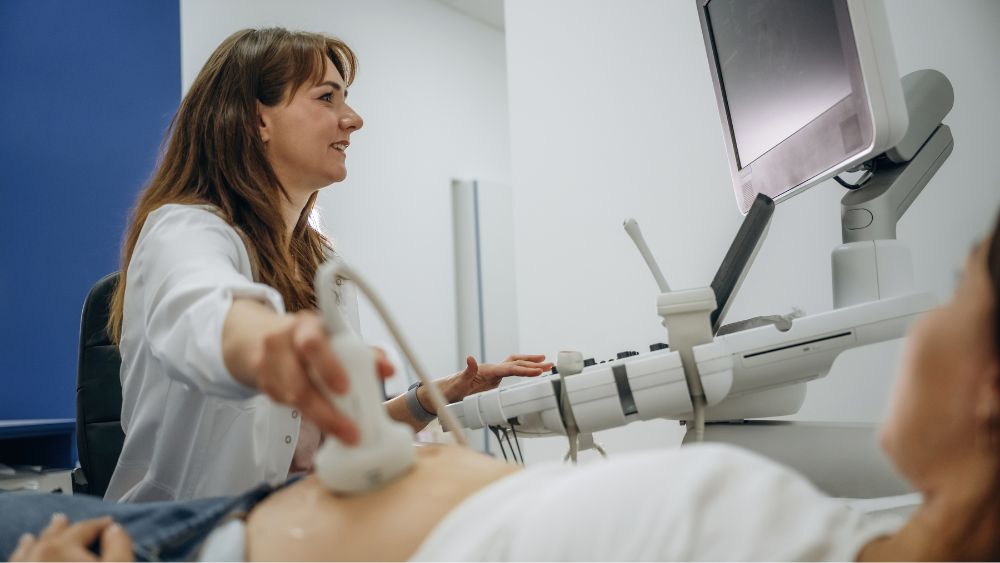
A pelvic ultrasound may be recommended to assess ovarian appearance and follicle count. However, not every woman with PMOS has polycystic ovaries, so ultrasound findings are considered alongside symptoms and laboratory results.
PMOS vs PCOS: What Has Changed and What Remains the Same?
| Feature | PCOS | PMOS |
|---|---|---|
| Condition | Same | Same |
| Symptoms | Same | Same |
| Diagnosis | Same | Same |
| Treatment | Same | Same |
| Official Name | Previous | Updated |
| Focus | Ovarian | Hormonal, Metabolic & Ovarian |
The only major change is the name. Everything else—including diagnosis, treatment, and long-term management remains unchanged.
Why Was PCOS Renamed to PMOS?
The previous name, Polycystic Ovary Syndrome, often created confusion because many women diagnosed with the condition do not have ovarian cysts. Likewise, ovarian cysts can occur in women who do not have the syndrome.
The updated name, Polyendocrine Metabolic Ovarian Syndrome, better represents the condition by highlighting its effects on:
- Hormonal balance
- Metabolic health
- Insulin resistance
- Ovulation and ovarian function
The goal of the name change is to improve awareness, encourage earlier diagnosis, and provide a clearer understanding of the condition.
Treatment for PMOS
Although there is no permanent cure for PMOS, its symptoms can be managed successfully with the right treatment plan.
Treatment may include:
- Lifestyle modifications
- Regular physical activity
- Healthy weight management
- Balanced nutrition
- Medications to regulate menstrual cycles
- Medicines to improve insulin sensitivity
- Fertility treatment when pregnancy is planned
Your gynecologist will recommend a personalized treatment plan based on your symptoms, age, and future pregnancy goals.
When Should You Visit a Gynecologist?
Seek medical advice if you experience:
- Irregular or absent periods
- Persistent acne
- Excess facial or body hair
- Unexplained weight gain
- Difficulty conceiving
- Heavy menstrual bleeding
- Hair thinning
- Severe menstrual irregularities
Early diagnosis can help reduce the risk of complications and improve long-term health outcomes.
Frequently Asked Questions
Is PMOS different from PCOS?
No. PMOS is the updated name for PCOS. The condition, symptoms, diagnosis, and treatment remain the same.
Can PMOS affect fertility?
Yes. PMOS can interfere with ovulation and make conception more difficult. However, many women with PMOS achieve healthy pregnancies with proper treatment.
How is PMOS diagnosed?
Doctors diagnose PMOS using your medical history, menstrual history, physical examination, hormone testing, blood tests, and pelvic ultrasound when required.
Can PMOS be cured?
There is no permanent cure, but symptoms can be effectively managed through lifestyle changes, medication, and regular medical care.
Does every woman with PMOS have ovarian cysts?
No. Many women with PMOS do not have ovarian cysts, while some women with ovarian cysts do not have PMOS.
When should I consult a gynecologist?
You should consult a gynecologist if you have irregular periods, excessive hair growth, persistent acne, unexplained weight gain, fertility concerns, or other symptoms of hormonal imbalance.
Conclusion
Although PMOS is the new official name for PCOS, the condition itself has not changed. The updated terminology provides a clearer understanding of its hormonal, metabolic, and reproductive effects, helping women receive better awareness and timely care.
If you're experiencing irregular menstrual cycles, acne, excessive hair growth, unexplained weight gain, or difficulty conceiving, don't delay seeking medical advice. Early diagnosis and proper treatment can help manage symptoms and reduce the risk of long-term complications.
Book your appointment with the experienced gynecologists at New Ramkrishna Seva Sadan and receive personalized care for your reproductive and hormonal health.